Android System WebView Dev 149.0.7779.2 Update Details
Google has released Android System WebView Dev 149.0.7779.2, a developer-focused update for testing web content rendering within apps.

Why This Update Matters
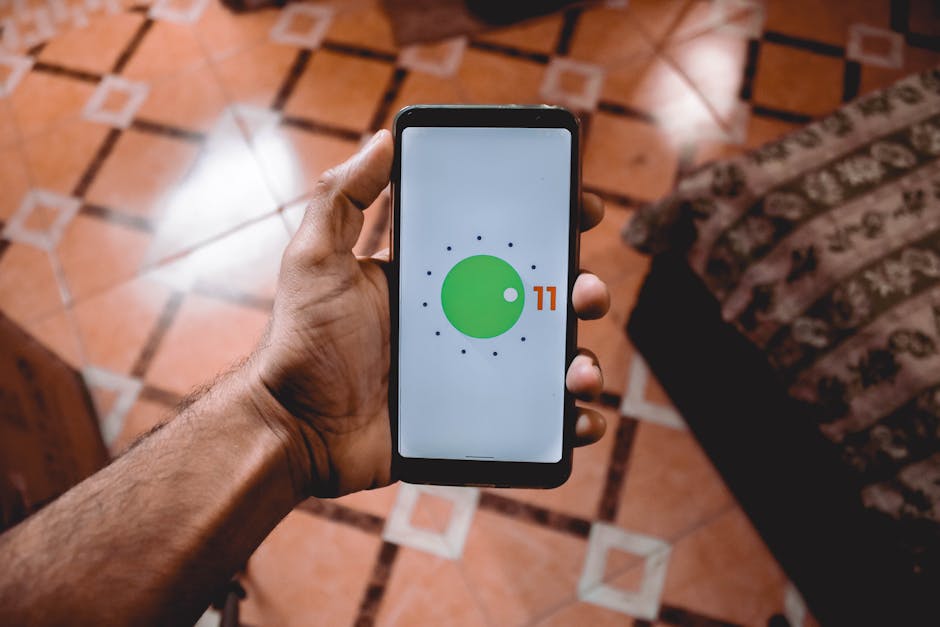
If you're an Android user, you've almost certainly used the System WebView component without even knowing it. It's the invisible engine that powers web content inside countless applications, from your email client displaying HTML newsletters to social media apps showing embedded articles. When this component gets an update—especially a developer (Dev) channel release like version 149.0.7779.2—it signals Google is refining the core plumbing of your phone's experience.
The common assumption is that these updates are minor and irrelevant to the average person.
That's a mistake.
Decoding the Version Number: What Does 'Dev' Mean?

The "Dev" label is crucial here. This isn't a stable, mass-market rollout pushed via the Google Play Store. It's a build from Google's development pipeline, intended for app developers and advanced users who want to test their applications against the latest web rendering code before it hits billions of devices.
Think of it as a sneak peek at the foundation being laid for future Android stability and security.
Key Areas of Focus in Developer Builds
While official changelogs for these incremental builds are often sparse, history tells us what Google prioritizes.
Security Patches and Vulnerability Fixes
This is non-negotiable. The WebView component is a significant attack surface because it processes untrusted web code inside the sandbox of other apps. Every update, even a dev build, almost certainly includes under-the-hood fixes for potential security flaws discovered since the last release.
Compatibility with Modern Web Standards
The web doesn't stand still. New JavaScript features, CSS capabilities, and HTML APIs emerge constantly. Developer builds like 149.0.7779.2 allow Google to ensure Android keeps pace, so apps displaying web content don't break or look outdated.
A single misrendered page can cost a business real money.
Performance and Memory Optimizations
Smoother scrolling, faster page loads, reduced battery drain—these are the holy grail of mobile browsing, even when it happens inside an app. Developer builds are where Google engineers experiment with optimizations that might later become standard.
The APKMirror Connection and Why It Exists
The initial sighting of this APK on APKMirror, as noted in the source material, highlights an important ecosystem quirk.Google doesn't always make these developer builds easily accessible through official channels for all devices or regions.Platforms like APKMirror fill that gap by providing verified APK files for enthusiasts, developers, and users whose Play Store hasn't yet received the update.This mirrors a broader trend in Android culture where community resources often accelerate access to critical components.
It’s a workaround born of necessity.
Should You Install Android System WebView Dev 149.0.7779.2?
For most users? Absolutely not.The "Stable" channel updates delivered automatically via the Play Store are the correct choice.They have been tested across millions of device configurations.The dev build is precisely that—for development.It may contain bugs, suffer from compatibility issues with certain apps, or offer no perceivable benefit to your daily use.
Install this only if you are actively testing an app you develop or have a specific reason to be on the bleeding edge.The risk of instability outweighs any potential reward for casual use.You won't get new features you can see or touch; you're updating infrastructure.
The Bigger Picture: Google's Quiet Maintenance
Releases like Android System WebView Dev 149.0.7779.2 represent the unglamorous, continuous work required to maintain a platform used by over three billion devices.They rarely make headlines.But each incremental version number bump is a small investment in keeping the entire Android ecosystem secure, compatible,and efficient.It’s a reminder that software is never truly finished—it’s perpetually being refined,invisibly,in the background.Next time your in-app browser feels snappier or displays a complex page correctly,there’s a good chance an update like this one laid the groundwork months earlier on a developer's test device.


Comments
Post a Comment